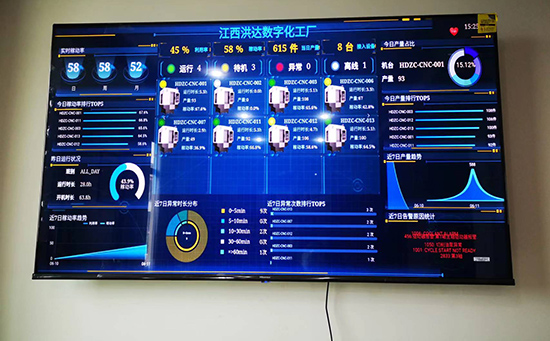
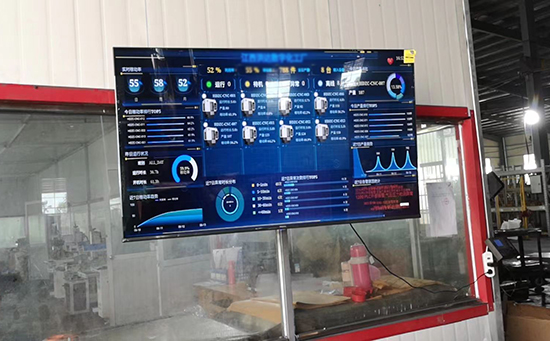
ERP系統(tǒng) & MES 生產(chǎn)管理系統(tǒng)
10萬用戶實施案例,ERP 系統(tǒng)實現(xiàn)微信、銷售、庫存、生產(chǎn)、財務(wù)、人資、辦公等一體化管理
ERP SaaS: Unlocking Seamless Integration and Third-Party Connectivity
In today’s dynamic business environment, Enterprise Resource Planning (ERP) systems are pivotal for streamlining operations and enhancing efficiency. The evolution of ERP Software as a Service (SaaS) has introduced a new era of connectivity and integration possibilities. This article explores the robust integration capabilities and seamless third-party service connectivity offered by ERP SaaS solutions, empowering businesses to thrive in an interconnected digital landscape.
The Foundation of ERP SaaS Integration
ERP SaaS platforms are designed with a strong emphasis on connectivity and interoperability. Unlike traditional ERP systems, SaaS solutions leverage cloud technology to facilitate real-time data sharing and communication across diverse applications. The foundation of ERP SaaS integration lies in its ability to centralize data, processes, and workflows, enabling a holistic view of business operations.
1. Cloud-Based Architecture: Enabling Scalable Integration
The cloud-based architecture of ERP SaaS fosters scalable integration capabilities. By leveraging APIs (Application Programming Interfaces) and web services, ERP SaaS systems can seamlessly connect with external applications, including customer relationship management (CRM) tools, e-commerce platforms, and specialized analytics software. This architecture ensures agility and flexibility, allowing businesses to adapt quickly to evolving integration needs.
2. API-First Approach: Facilitating Interoperability
An API-first approach is integral to ERP SaaS integration. Modern ERP solutions prioritize well-documented APIs that simplify integration with third-party services. APIs act as the building blocks for connectivity, enabling developers to create custom integrations and automate data exchange between ERP systems and external applications. This approach fosters interoperability and empowers businesses to orchestrate complex workflows effortlessly.
3. Pre-built Connectors: Streamlining Integration Processes
To expedite integration, ERP SaaS providers offer pre-built connectors for popular third-party services. These connectors are designed to facilitate plug-and-play integration, reducing implementation time and complexity. Whether integrating with payment gateways, logistics platforms, or marketing tools, pre-built connectors enhance the interoperability of ERP SaaS solutions and extend their functionality without extensive development efforts.
4. Data Synchronization: Ensuring Data Consistency
Effective ERP SaaS integration hinges on robust data synchronization capabilities. Real-time synchronization ensures that critical business data, such as inventory levels, sales orders, and customer information, remains consistent across integrated systems. By maintaining data integrity, ERP SaaS solutions empower organizations to make informed decisions based on accurate and up-to-date information.
5. Extensibility through Add-ons and Extensions
ERP SaaS platforms promote extensibility through add-ons and extensions. These modular components enhance the core functionality of ERP systems by incorporating specialized features and services. Businesses can leverage add-ons for advanced reporting, compliance management, or industry-specific functionalities. This extensibility augments ERP SaaS integration by accommodating diverse business requirements and niche workflows.
Harnessing the Power of Third-Party Services
Beyond core ERP functionalities, SaaS solutions enable businesses to leverage an ecosystem of third-party services, enriching their operational capabilities and competitiveness.
6. Enhanced Functionality with Third-Party Integrations
By integrating with third-party services, ERP SaaS solutions extend their capabilities beyond traditional ERP functionalities. For instance, integration with CRM systems enhances customer relationship management, while integration with supply chain platforms optimizes inventory management and procurement processes. This collaborative ecosystem empowers businesses to leverage best-of-breed solutions tailored to their specific needs.
In Conclusion
The integration capabilities and third-party connectivity of ERP SaaS solutions represent a transformative leap in modern business management. By embracing cloud-based architectures, API-first approaches, and pre-built connectors, ERP SaaS platforms empower organizations to achieve seamless integration across diverse applications. This interconnected ecosystem fosters agility, scalability, and efficiency, propelling businesses towards digital transformation and sustained growth in a competitive landscape dominated by connectivity and interoperability.