Evolution of MES in Smart Manufacturing Systems
Manufacturing Execution Systems (MES) have become the backbone of smart manufacturing, facilitating real-time data acquisition, process monitoring, and operational control. As industries embrace digital transformation, the continuous optimization and upgrading of MES are crucial for enhancing productivity, quality, and agility across manufacturing processes.
The Foundation of MES
MES serves as the ultimate link between enterprise resource planning (ERP) systems and the shop floor, ensuring seamless integration and data flow. Initially designed for basic production tracking, MES has evolved into a sophisticated toolset encompassing production scheduling, inventory management, quality assurance, and maintenance planning.
Key Components of MES
MES comprises several integral modules such as:
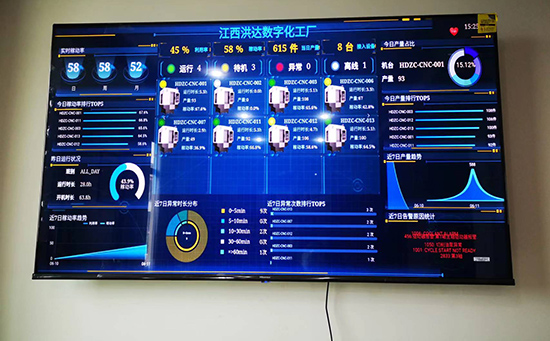
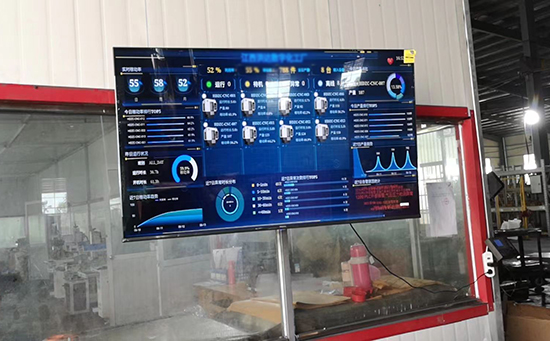
– Production Tracking: Real-time monitoring of production progress.
– Quality Management: Ensuring compliance with quality standards.
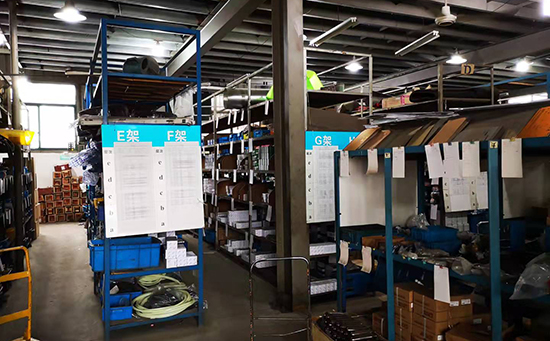
– Inventory Management: Optimizing raw material and finished goods inventory.
– Labor Management: Tracking workforce productivity and efficiency.
– Maintenance Management: Predictive maintenance to minimize downtime.
– Reporting and Analytics: Providing actionable insights for decision-making.
Advancements in MES
Driven by Industry 4.0 principles, modern MES solutions leverage technologies like IoT, AI, and cloud computing. These advancements enable enhanced connectivity, scalability, and predictive capabilities, transforming traditional factories into intelligent, data-driven enterprises.
Integration Challenges and Solutions
Integrating MES with existing IT infrastructure can pose challenges due to compatibility issues and data silos. Adopting open standards and APIs facilitates seamless integration across disparate systems, promoting interoperability and data integrity.
Continuous Optimization Strategies
To stay competitive, manufacturers must adopt a proactive approach to MES optimization:
– Regular Updates and Upgrades: Incorporating new features and functionalities.
– Performance Monitoring: Identifying bottlenecks and inefficiencies.
– User Training and Support: Ensuring proficient utilization across all levels.
– Feedback Mechanisms: Gathering insights from end-users for iterative improvements.
Future Trends and Outlook
The future of MES lies in its ability to evolve alongside technological advancements. Anticipated trends include:
– AI-driven Decision Support: Real-time analytics for predictive decision-making.
– Edge Computing: Processing data closer to the source for reduced latency.
– Cybersecurity Measures: Protecting against emerging threats in interconnected environments.
Conclusion: Embracing the Future of Manufacturing
In conclusion, the journey of MES in smart manufacturing represents a continuous quest for operational excellence and innovation. By embracing the latest advancements and adopting a proactive optimization strategy, manufacturers can unlock the ultimate potential of MES to drive productivity, quality, and profitability in the Industry 4.0 era.