The Meaning and Future Trends of MES System: A Comprehensive Overview
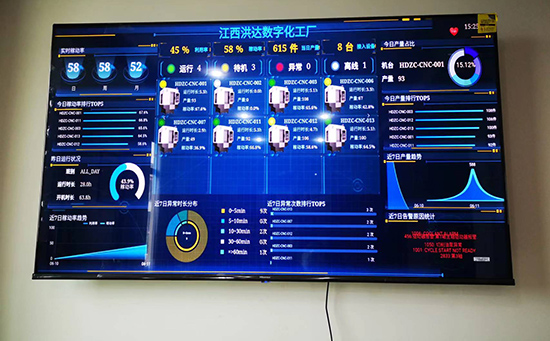
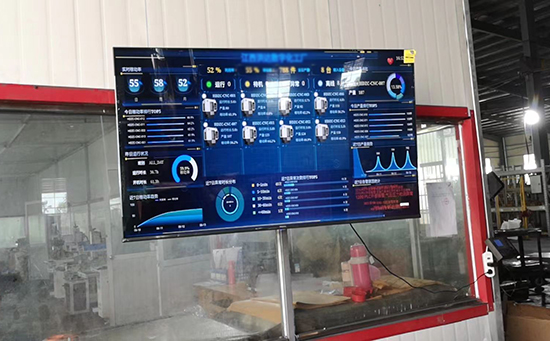
Manufacturing Execution System (MES) plays a crucial role in modern industrial operations by bridging the gap between enterprise resource planning (ERP) systems and the shop floor. It enables real-time monitoring, control, and optimization of production processes, leading to enhanced efficiency, productivity, and quality. As technology continues to advance, the MES landscape is evolving rapidly, presenting both opportunities and challenges for organizations seeking to leverage its capabilities effectively.
Evolution of MES System
Initially introduced as a way to digitize paper-based processes on the shop floor, MES has transformed into a sophisticated solution that integrates with various technologies such as IoT, AI, and cloud computing. The evolution of MES has been driven by the need for increased automation, data-driven decision-making, and agility in response to market demands.
Key Functions and Benefits of MES
MES systems offer a wide range of functions, including production scheduling, inventory management, quality control, maintenance tracking, and performance analysis. By providing real-time visibility into operations, MES helps organizations improve production efficiency, reduce downtime, minimize waste, and enhance product quality. The integration of MES with other systems like ERP enables seamless data flow across the organization.
Future Trends in MES System
1. **Integration with Industry 4.0 Technologies:** The future of MES lies in its integration with advanced technologies such as IoT, big data analytics, machine learning, and robotics. This integration will enable predictive maintenance, autonomous decision-making, and intelligent production processes.
2. **Cloud-Based MES Solutions:** Cloud-based MES solutions are gaining traction due to their scalability, flexibility, and cost-effectiveness. Cloud deployment allows for easier access to real-time data, improved collaboration, and rapid deployment of updates and new features.
3. **Focus on Cybersecurity:** With the increasing connectivity of industrial systems, cybersecurity is becoming a critical concern. Future MES systems will need to prioritize robust security measures to protect sensitive data and prevent cyber threats.
4. **Mobile and Remote Access:** The ability to access MES data and functionalities remotely via mobile devices is becoming essential for modern manufacturing operations. Future MES systems will focus on providing intuitive mobile interfaces and enabling remote monitoring and control.
Challenges Facing MES Implementation
1. **Legacy System Integration:** Many organizations struggle with integrating MES with existing legacy systems, leading to data silos and inefficiencies. Overcoming this challenge requires careful planning, collaboration between IT and operational teams, and possibly system upgrades or replacements.
2. **Change Management:** Implementing MES often requires changes in workflows, processes, and employee roles. Resistance to change, lack of training, and cultural barriers can hinder successful implementation. Effective change management strategies and communication are crucial to address these challenges.
3. **Data Quality and Standardization:** Ensuring data accuracy, consistency, and standardization across different systems and processes is a common challenge in MES implementation. Organizations need to establish data governance practices, implement data validation mechanisms, and invest in data quality tools.
Conclusion
In conclusion, the MES system continues to be a pivotal technology for modern manufacturing operations, offering a wide range of benefits and opportunities for organizations. By embracing future trends such as integration with Industry 4.0 technologies, cloud-based solutions, cybersecurity measures, and mobile accessibility, companies can unlock the full potential of MES and drive operational excellence. Overcoming challenges related to legacy system integration, change management, and data quality will be critical for successful MES implementation and maximizing its impact on business performance.