Introduction to Selecting MES Software: Balancing Functionality, Usability, and Cost
Manufacturing Execution Systems (MES) play a crucial role in modern manufacturing environments, facilitating efficient production management and enhancing overall operational performance. When choosing MES software, manufacturers must carefully weigh several factors to ensure it aligns with their specific needs, including functionality, usability, and cost-effectiveness.
Understanding MES Functionality
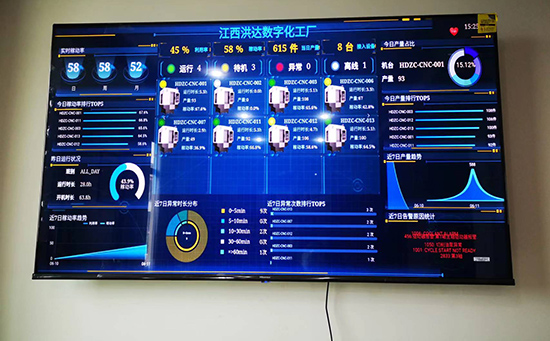
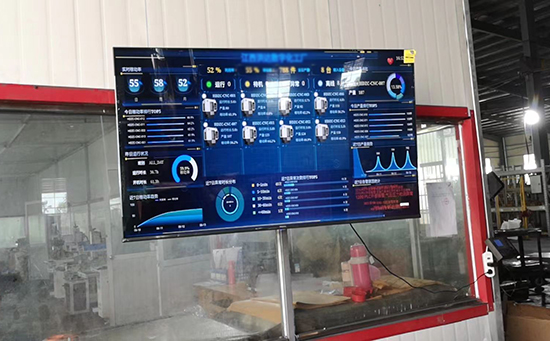
MES software encompasses a broad range of functionalities designed to streamline manufacturing processes. Key features typically include production scheduling, inventory management, quality control, and real-time monitoring of shop floor activities. Advanced MES systems integrate with other enterprise systems such as ERP and CRM, providing seamless data flow across the organization. Manufacturers should prioritize functionalities that directly address their production challenges and operational goals.
Evaluating Usability for Operational Efficiency
Usability is critical for ensuring widespread adoption and effective utilization of MES software across all levels of the organization. Intuitive user interfaces, customizable dashboards, and role-based access control contribute to user satisfaction and productivity. Mobile compatibility and remote access capabilities enable supervisors and operators to manage production processes on-the-go, enhancing responsiveness and decision-making agility. A user-friendly MES solution reduces training time and minimizes operational disruptions, driving overall efficiency gains.
Considering Total Cost of Ownership (TCO)
While upfront costs are important, evaluating the total cost of ownership (TCO) provides a more comprehensive view of financial implications over the software’s lifecycle. TCO includes initial licensing fees, implementation costs, ongoing maintenance, and potential scalability expenses. Manufacturers should assess long-term ROI by considering potential cost savings from improved production efficiency, reduced waste, and better resource allocation enabled by the MES software.
Key Considerations for Vendor Selection
Choosing the right MES vendor involves evaluating their industry experience, track record of successful implementations, and commitment to ongoing support and updates. Vendor reputation, responsiveness to customization needs, and alignment with industry standards (such as ISO compliance) are crucial factors. Collaborating with a vendor that understands the unique challenges of your industry sector can significantly enhance the implementation process and long-term satisfaction with the MES solution.
Case Studies: Real-World Applications and Success Stories
Examining case studies and success stories from similar manufacturing environments provides valuable insights into how MES software can deliver tangible benefits. Case studies illustrate practical applications, challenges faced, and measurable outcomes achieved through the implementation of MES solutions. Learning from peers in the industry can help manufacturers anticipate potential hurdles and optimize their own MES implementation strategies.
Conclusion: Optimizing Manufacturing Operations with MES
In conclusion, selecting the right MES software involves a careful balance of functionality, usability, and cost considerations. By prioritizing features that align with specific production needs, ensuring user-friendly interfaces for seamless adoption, and evaluating long-term financial implications, manufacturers can leverage MES software to optimize operations, improve efficiency, and achieve sustainable growth in today’s competitive manufacturing landscape.